THE ART OF SYNERGY
Modeling how to create community for our next generation
Children!
Our greatest global resource
Hi, it's Enrique from the Global Learning Foundation and the Sam the Ant team. It's always exciting to share an idea and some strategies with you every month. There are so many great ideas on this collaborative blog. A simple one that I loved was Scott from Brick by Brick with his blog this past September titled Drawing on Mirrors. I love how fundamental this particular strategy is because it allows the teacher/guide to create all sorts of learning opportunities. It's open ended and that leads to questions, which can lead to inspiration, which leads to striving...
which leads to synergy!
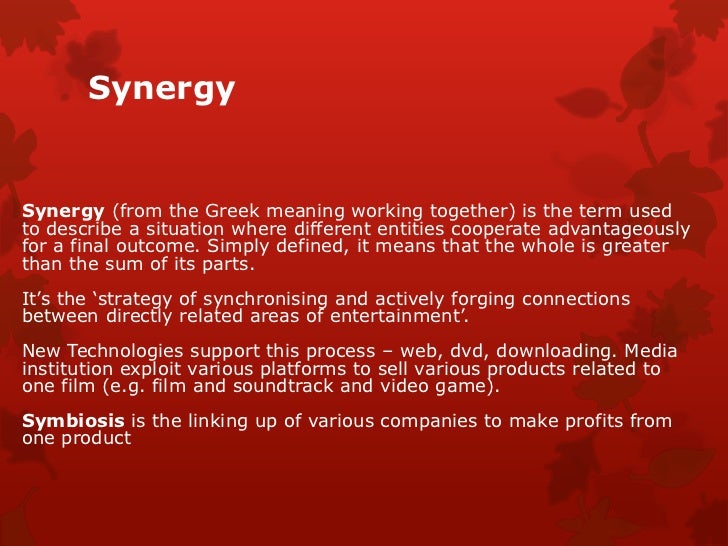
What is synergy?
What does synergy look like?
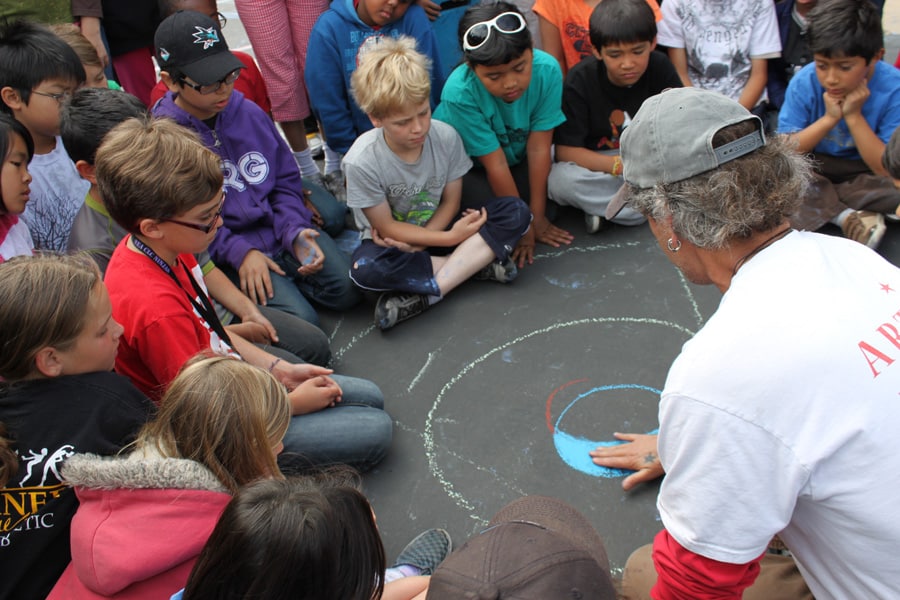 |
| Learning Guide and Learners co-discovering with young learners being treated like co-creators, co-researchers and co-scientists. |
 |
| John Coltrane and Miles Davis creating musical synergy in 1958 |
 |
| Synergy can be achieved in any moment and once achieved it can be built upon, studied, practiced and elevated. |
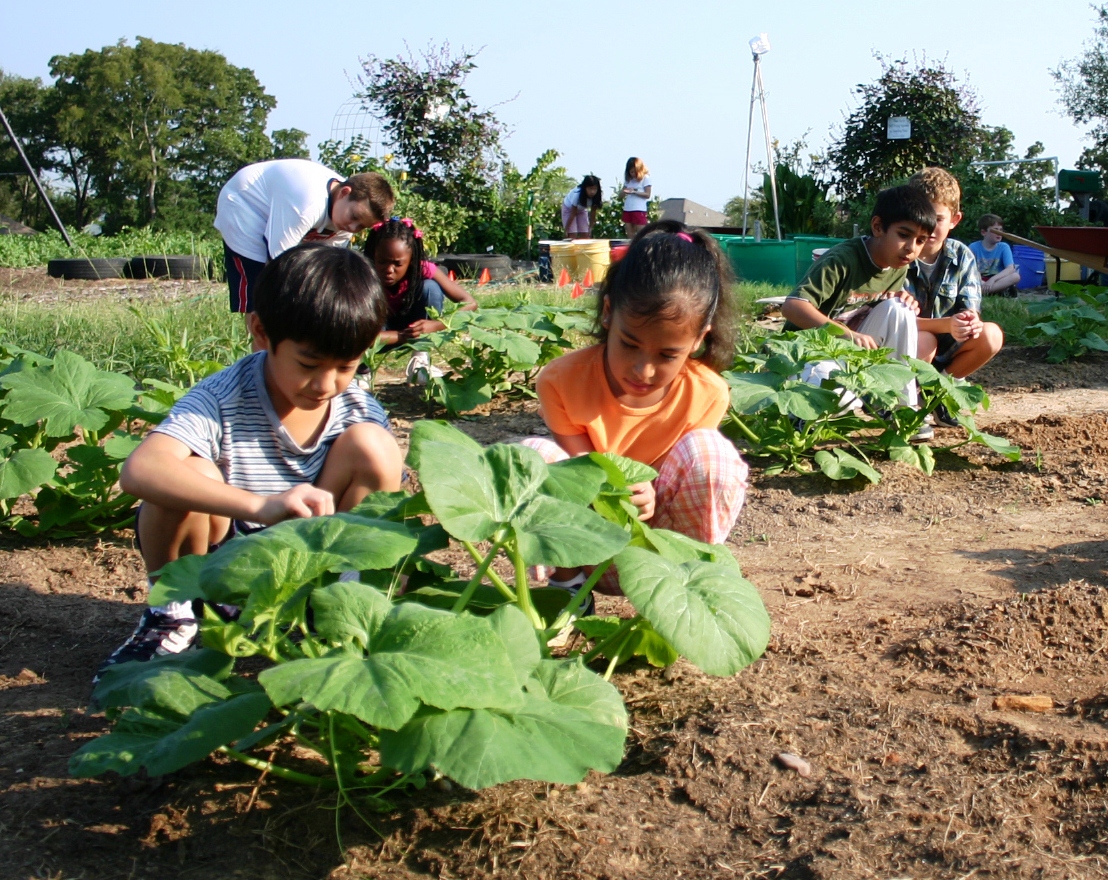 |
| Synergy is not just any one moment, but a set of ongoing moments which can culminate in the creation of something physical, as is the case with this garden. |
 |
| Synergy can built within families and friends. The creation of synergy in community is of critical importance to our planet. This set of family and friends are in the UK. |
 |
| The building of synergy can include modeling of ideas and it is important to also include opportunities for the learner to express their own desires and perspectives, as can be seen with the different levels of complexity of drawings, some by the adult, some by the young learner and some by both! |
Synergy is like collaboration, but much more alive, open ended and has more energy associated with it because it involves multiple individuals or organizations not just working together, but openly exploring together. For synergy to take place, it takes individuals and/or organizations which are truly open to creating ideas, which otherwise, would not have been possible.
Synergy can impact the effectiveness and productivity in any setting, and the setting itself can impact how comfortable we are to synergize, including the following. We can take the time to set up any environment that fosters synergy and the settings which follow are excellent examples.
Early Childhood Classrooms
 |
| An early childhood classroom that uses both Reggio and Montessori inspired materials as provocations for the young learners who call this one of their homes. |
You can learn more about the above classroom here.
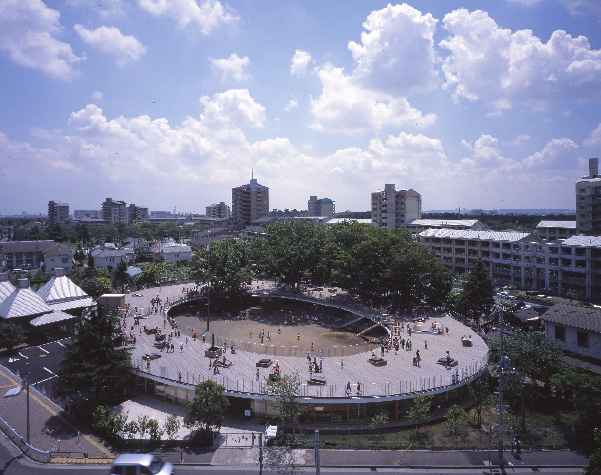 |
Open up: Fuji Kindergarten by Tezuka Architects features an outdoor play area on its roof. | PHOTOGRAPHER: KATSUHISA KIDA/FOTOTECA; CREATIVE DIRECTOR KASHIWA SATO; LIGHTING DESIGNER: MASAHIDE KAKUDATE/MASAHIDE KAKUDATE LIGHTING ARCHITECT & ASSOCIATES,INC.
|
Fuji Kindergarten (Yes, the top of this school is the roof, and yes, children are able to explore, run and interact with their surroundings)
The above kindergarten is a very effective example of a physical structure which not only invites synergy, but also ignites it! When first meeting Takaharu and Yui, the husband-and-wife team who created Fuji Kindergarten, you are immediately drawn to their playful spirit. “Our architecture is about family — everything we learn, everything we do about architecture starts with our family,” says Takaharu. The Tezukas have two young children. The architects’ motto is: “If you don’t know happiness, how can you provide it to others?” Located in Tachikawa, western Tokyo, the 750-student, three-year preschool built in 2007 is a one-story structure in the shape of a donut. The entire school feels like a playground, from the open-air central courtyard to the building’s wide circular roof. Even the interior classroom areas follow an open-school plan where partitions separate sections and all furniture is moveable. Takaharu says the goal is for “these children to be stronger and more flexible.” The idea of non-linear structures is not new, yet not used as often as they should be used. There are plenty of linear moments in our lives as human beings. Non-linear visual stimuli and experiences ignite a different part of our brain. The part which is connected to creativity and innovation.
K - 12 Classrooms
 |
| A Waldorf school in Seattle. This is a physical example of synergy! |
 |
| Una de las clases de la escuela infantil waldorf de Belloterra, Spain. A classroom from an early childhood classroom in Belloterra, Spain. |
For more information on this classroom, click here.
 |
| It took children’s book illustrator Maira Kalman an entire year to track down the flea-market treasures that she transformed into the alphabet at the John Randolph School, P.S. 47 in the Bronx. The stimulating space is divided into colorful reading, research, and study areas with floor graphics, mobile shelving, and easily positioned tables and chairs, including Pierre Paulin’s “Orange Slice” chair, peeking out in the background. Photo ©Peter Mauss/Esto. |
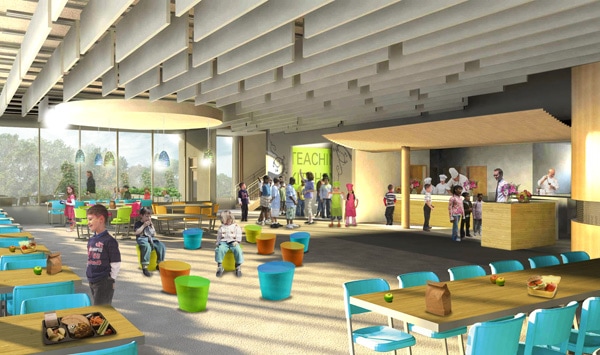 |
| Artist rendering of open kitchen and co-located teaching kitchen for upper and lower elementary schools, Dillwyn, Virginia |
Click here for more information on this idea.
 |
Anne Frank Inspire Academy Middle School in San Antonio, Texas
A signature Wall composed of cross sections of local wood contains
a storage area with whiteboard doors for brainstorming sessions
|

Blended Rehab of a space! American International School of Utah is a great example of rehabilitated retail space. Early grades use a Montessori approach. Intermediate grades are student-centered similar to another school worth visiting — Acton Academy. The high school has big blended blocks that use a mixture of learning spaces that allow for student choice and encourage ownership. The music and drama program are exceptional (featured here).

Green School in Bali combines a rigorous K-12 core curriculum with hands-on experiential learning within a Green Studies curriculum and a Creative Arts curriculum.

INTERNATIONAL SCHOOL OF BRUSSELS HIGH SCHOOL
Brussels, Belgium The International School of Brussels is an English-language international school that provides an international education to over 1500 students aged 2 ½ to 19 from 62 countries. The 40-acre secure campus lies in the Brussels commune of Watermael-Boitsfort. As with the above examples, the physical structure is more open than most high schools, with more natural light and which impacts our minds in ways which can lead to more creative thought. Creativity is the seeding ground for synergy.
Higher Education settings
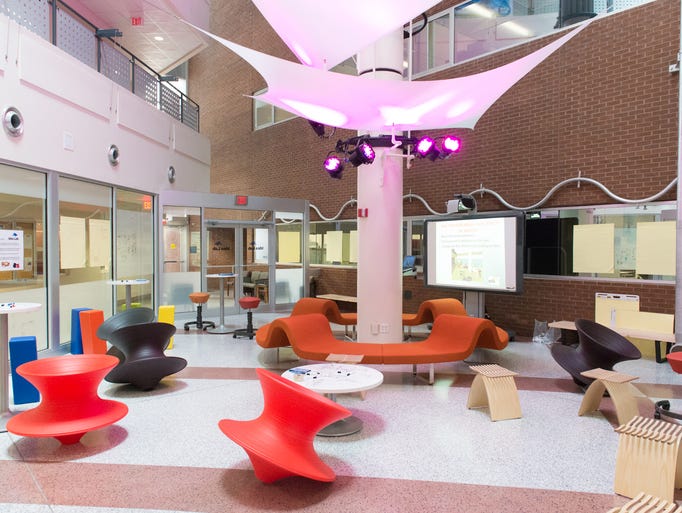

Innovation is about to get easier, faster and more accessible at the University of Central Florida with the grand opening of four new labs known as Maker Spaces. The above two images are examples of the creative use of space, color and light, which can all impact how quickly learners engage in synergistic activities.
Corporate settings

Google Office Spaces are designed for ignition of creativity. Synergy can become an expected part of daily activities!

BBC North Offices in England are designed with circular structures within a more traditional structure. The color green has been shown by research as a color which invites
both relaxation and creativity.
There are three areas, once experienced authentically over time, which lead to synergy. Inviting others to this process in an invitational way typically leads to a stronger sense of caring, community and increases the potential for synergy to arise.
THE ART OF THE QUESTION

- What kinds of questions do you tend to ask others?
- What kinds of questions do you tend to ask yourself?
- When someone asks you a questions, do you sometimes respond with a question that leads to even more conversation and thought?
As adults, we tend to ask questions for which we are hoping to hear a certain answer. This limits the response and when working with young children, we want to expand the possible responses. We all want our children to feel free and strong enough to answer authentically... and explore just as freely!
THE ART OF INSPIRATION
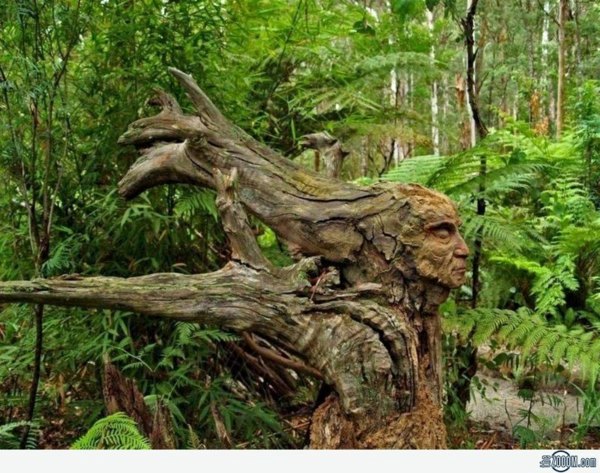
- What inspires others to be inspired?
- What inspires others to inspire others?
When we take the time to observe how children interact with other children, adults and even animals, we will see some wonderful examples of this. We'll also see attempts that are unsuccessful, yet in the attempt there is the "learning how to inspire and be inspired" which can most certainly take place, depending on how we, as the adult guide, position their attempt.
THE ART OF STRIVING
 |
| Paralympic Games in London |
When many think of striving, we think of working hard and certainly work ethic is a key variable. I'd like you to ask yourself the following questions related to your work with children and your own circle of friends and colleagues:
- When you feel happy, what is it that prompts that feeling of happiness?
- When you achieve a goal, what is it that prompts that feeling of achievement?
- When you feel negative in some way, what is it that prompts that feeling?
- When you miss a goal, do you always feel a sense of disappointment? Why or why not?
- What percentage of people in your life actively support your projects and your general approach to life?
From my own experience and the many years of experience in synergizing with children and colleagues, the Art of Striving is all about finding what feeds our energy tank. When we connect to the things and people that give back positive energy, it creates a win-win scenario. This typically feels like I am going with the current of a river.... I feel like I'm going downstream, with the flow, living in the moment.... and THAT.... feels absolutely liberating. I encourage you to take some time to think about that and talk about this with your friends and colleagues.
And now a gift for all of you that will help you and your children explore The Art of the Question, The Art of Inspiration and The Art of Synergy all in the form of a children's book...for free! Click on FREE Sam the Ant ebook and enjoy this story which embodies everything in this blog.
 |
| An example from a page of Sam the Ant - The Flood (Book 1) |
Cheers!
*
*
Founder, Global Learning Foundation
*
Co-Creator, Sam the Ant Children's Books
*
Producer, Kaleidoscope,